Skip to content
Welcome to the third article in our three-part “3 Common Urinary Problems and How to Treat Them” series. We encourage you to read the other two articles, “Urinary Tract Infections: Causes and Treatment” and “Urinary Incontinence: Types, Causes and Symptoms“ , which provide essential information on other urinary problems and how to treat them.
In this article, we will explore urinary retention — a common urinary complication affecting able‑bodied individuals as well as those with Spina Bifida (SB), spinal cord injuries, or nerve damage. We will also examine the available treatment options and practical strategies for managing the condition.
Urinary Retention
What is Urinary Retention?
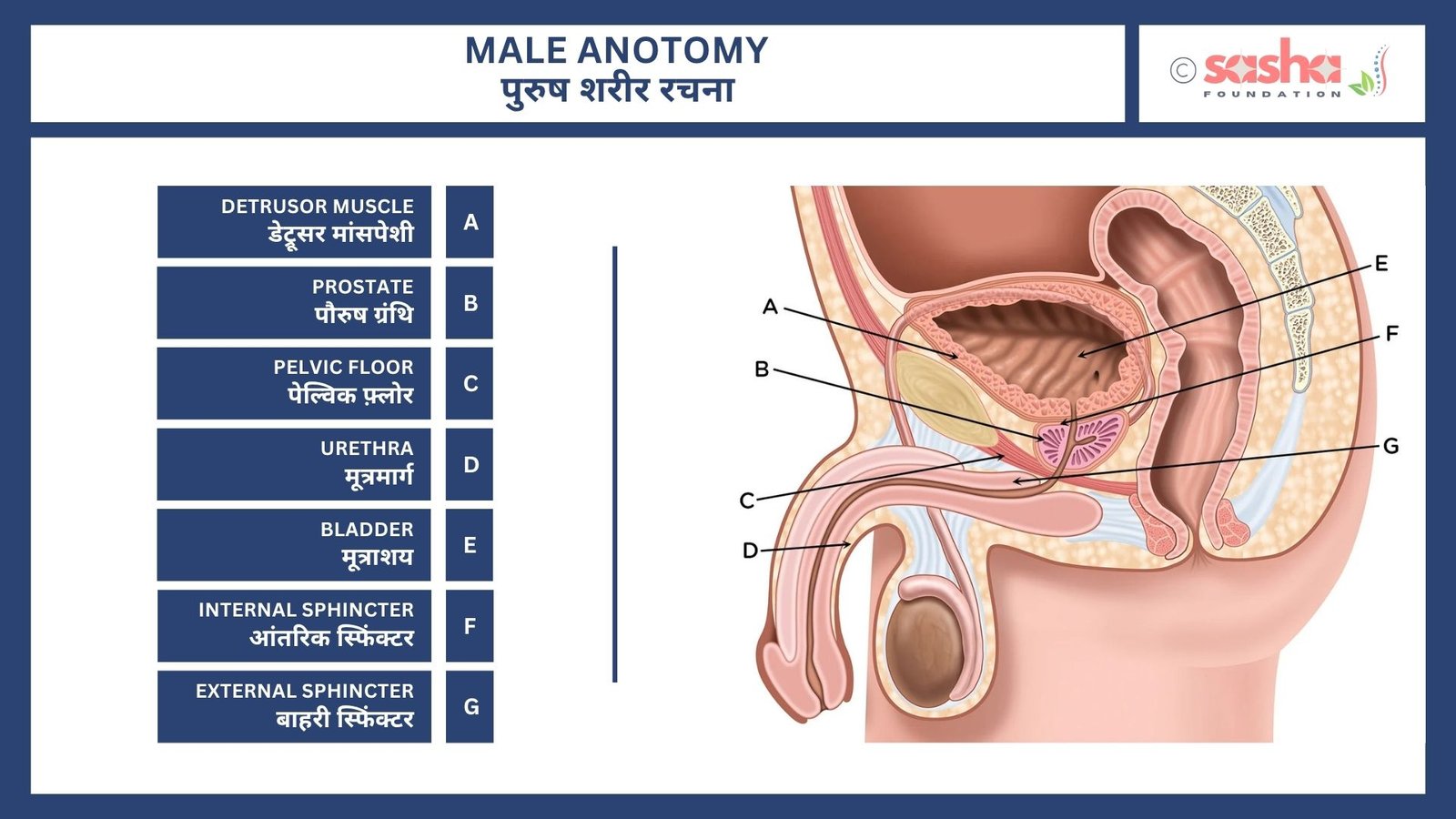
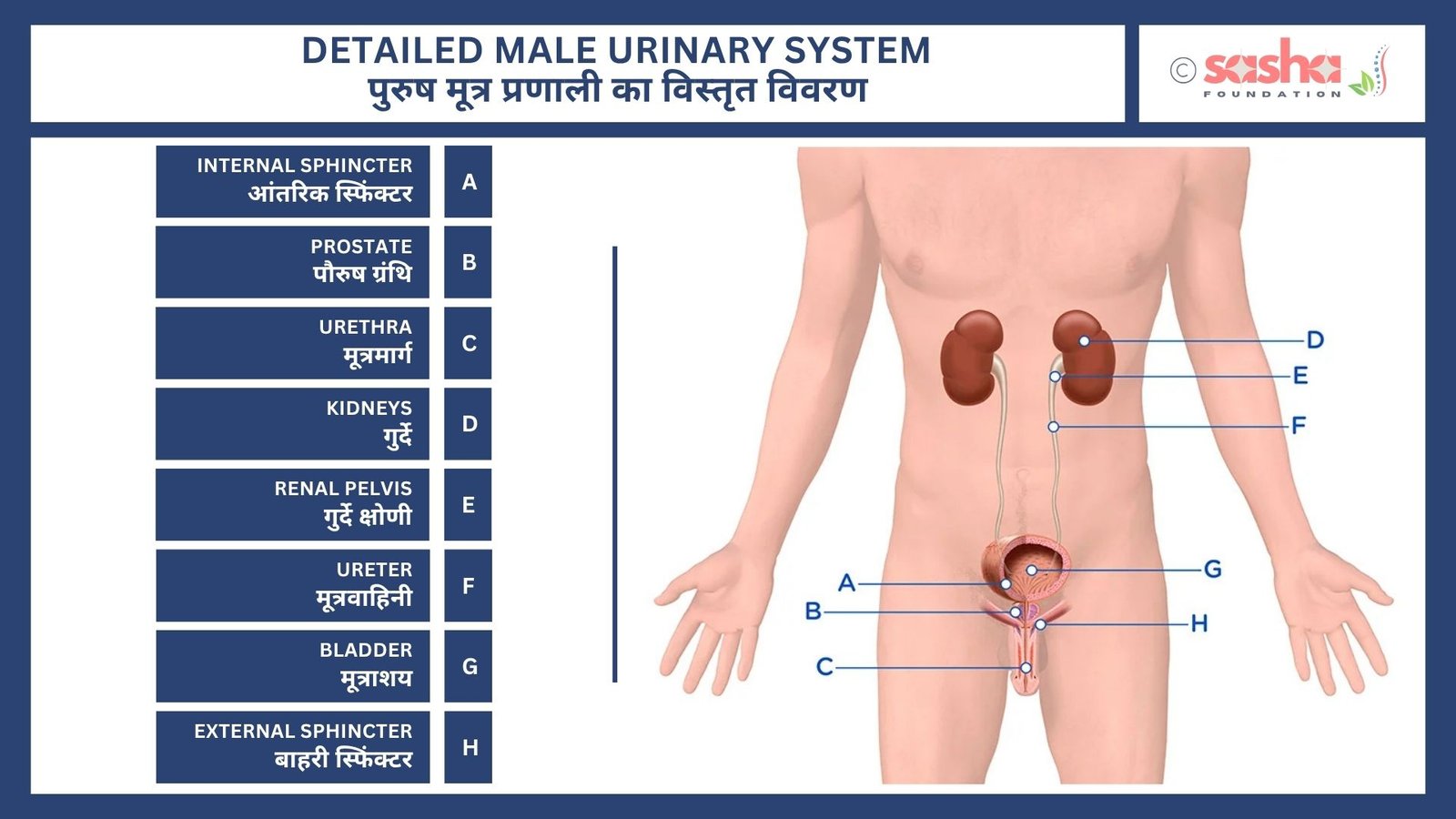
If you are having difficulty emptying your bladder or are unable to completely empty your bladder, you may be experiencing urinary retention. Before we discuss urinary retention symptoms and causes, it is important to understand your (male/female) anatomy and your (male/female) urinary system through the following images.
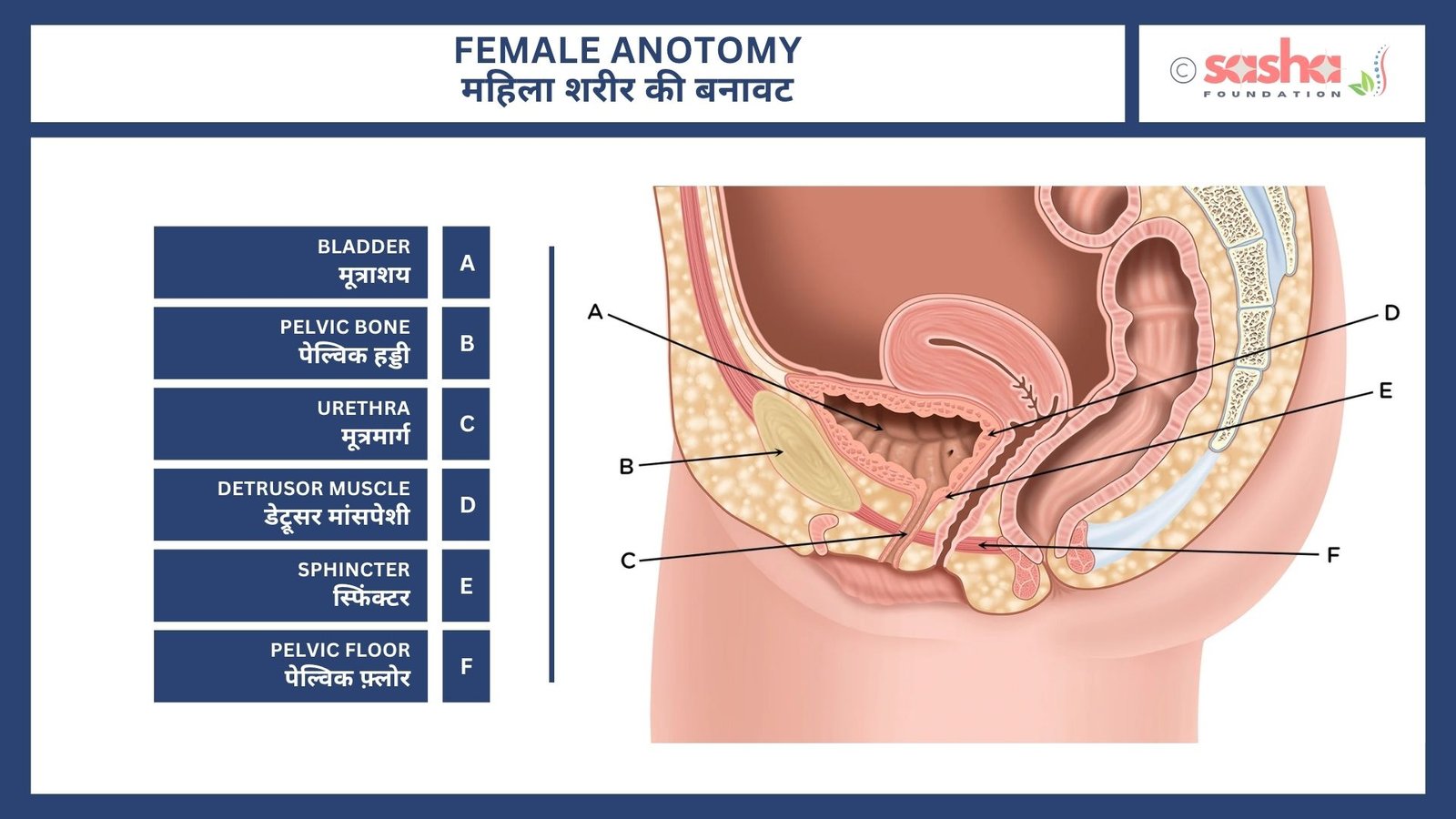
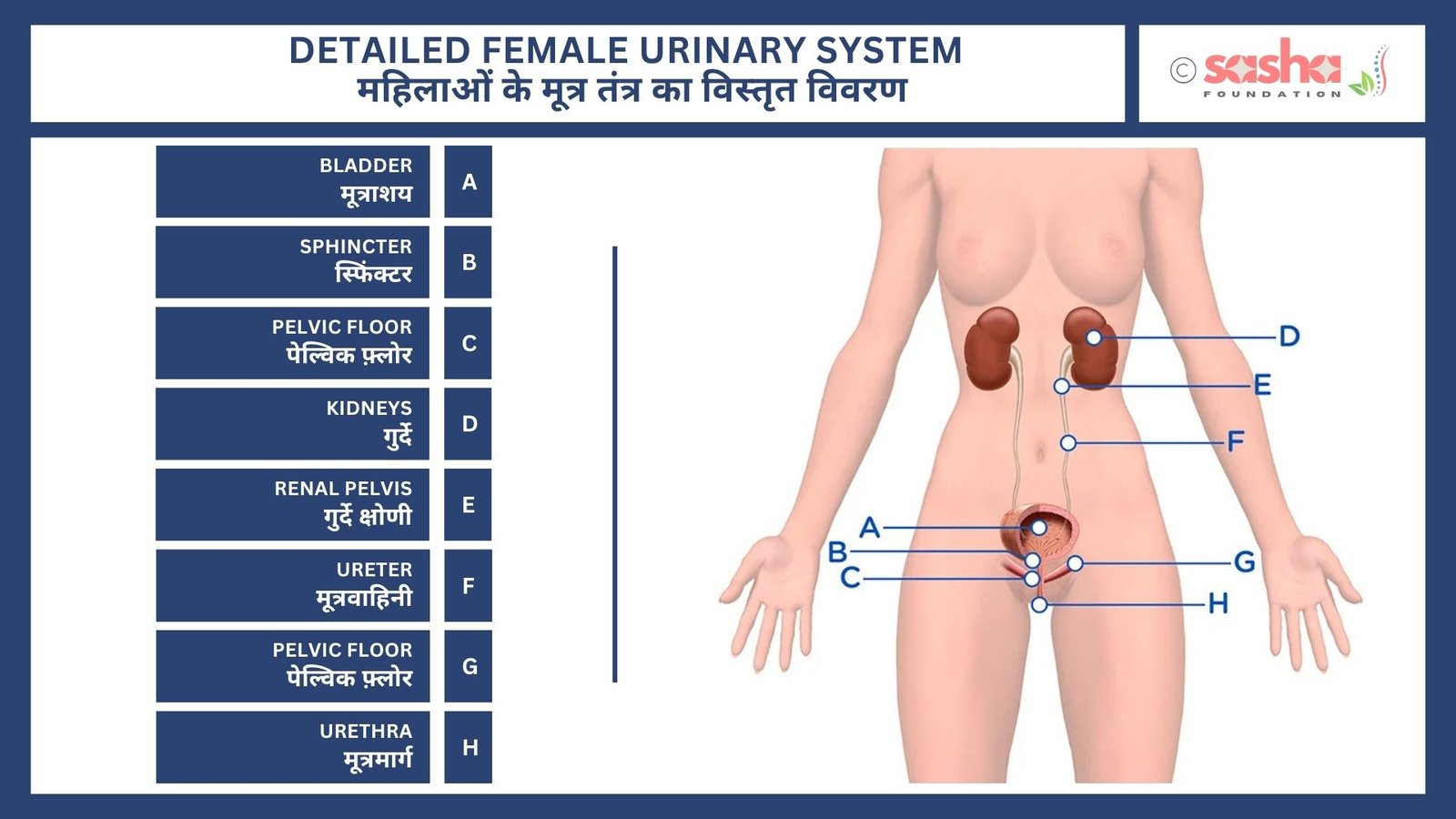
What are Urinary Retention Symptoms and Causes?
Urinary retention, the inability to empty the bladder, may occur due to various causes, including:
- Obstruction or blockage
- Nerve problems
- Medication side effects
- Infections or swelling
- Surgery
Obstruction or Blockage
Obstructions or Blockages are one of the most common causes of urinary retention. Reasons you may experience a blockage are:
- Bladder outlet obstruction (BOO) – This blockage affects men, women and even children. Bladder outlet obstruction (BOO) is a blockage in the neck at the very bottom of the bladder. The neck is where the bladder connects to the urethra, which carries urine out of the body. A urinary tract blockage stops or slows down the flow of urine.
- Ureteral obstruction – Obstruction in the ureters. Ureters are tubes that carry urine from the kidneys to the bladder. Ureteral obstruction can happen in one or both ureters. Untreated ureteral blockages can damage one or both kidneys and cause infection or even kidney failure.
- Enlarged prostate – This is a male‑specific cause of urinary blockage. In men, the prostate gland sits below the bladder and in front of the rectum. It’s about the size of a walnut, and it encircles part of the urethra. A condition called benign prostatic hyperplasia (BPH) causes the prostate to increase in size. As the prostate gland grows, it can prevent urine from passing through the urethra.
- Cystocele – Cystocele, also known as fallen bladder, is a female-specific cause of urinary blockage. A cystocele occurs when the ligaments and muscles that hold the bladder up stretch or weaken. A woman may see or feel tissue bulge through her vaginal opening or have difficulty urinating. Sexual intercourse also becomes painful. There are three types: mild, moderate and severe.
- Rectocele – This is a female-specific cause of urinary blockage. A rectocele is a condition in which the rectum sags against the vaginal wall because of weakened muscles in the pelvis area.
Nerve Problems
The brain plays a very important role in urination. Once you feel your bladder is full, you go to the bathroom. You get into the position, and your brain signals the bladder to contract and squeeze the urine out. The brain then signals the urinary sphincter to relax and let the urine pass through the urethra. This is how the urine flows out of the body. Nerves carry these signals to and from the brain. Issues in the nerves or the signals can cause nerve problems. The various causes of nerve issues are:
- Congenital birth defects – Birth defects like Spina Bifida cause neurogenic bladder, which causes difficulty in emptying the bladder. If left untreated, urinary retention can lead to complications such as urinary tract infections, bladder stones or renal impairment.
- Spinal cord injury – Similar to Spina Bifida, spinal cord injury causes a neurogenic bladder, which causes difficulty in emptying the bladder.
- Stroke – Strokes happen when a blood clot or broken vessel prevents blood from getting to your brain. Stroke can cause urine retention by damaging the areas of the brain that control bladder muscles and disrupting the signals needed to empty the bladder.
- Diabetes – Diabetes can cause diabetic neuropathy or neurogenic bladder, which causes difficulty in emptying the bladder. If left untreated, urinary retention.
- Multiple sclerosis – Multiple sclerosis (MS) causes urinary retention by damaging the nerve pathways in the brain and spinal cord that coordinate how the bladder stores and empties urine.
- Vaginal childbirth – Vaginal childbirth causes urinary retention (called postpartum urinary retention) when physical trauma, nerve stretching, and swelling prevent the bladder from working or emptying normally.
Medication Side Effects
Certain medications can change the way your bladder muscle works and can cause urinary retention. Medications that may cause bladder control side effects are:
- Antihistamines
- Opiates
- Antidepressants
- BP medication
- Antipsychotics
- Muscle relaxants
Infections or Swelling
Infection and swelling (inflammation) can also cause urine retention. Some examples are:
- Urinary tract infection (UTI) – Urinary tract infections can cause urethral swelling and bladder weakness, both of which can cause urine retention.
- Sexually transmitted infections (STIs) – A sexually transmitted infection (sexually transmitted disease) is a serious condition that spreads after you have sex. STIs can cause inflammation and lead to retention.
Surgery
Some surgeries can cause urinary retention. Surgeries like hip replacement and spinal surgery may cause retention.
What are the types of Urinary Retention?
There are two types of urinary retention:
Acute Urinary Retention
Acute urinary retention is a sudden and often painful inability to urinate. It may be caused by obstructions in the bladder or urethra, a disruption of sensory information in the nervous system or swelling of the bladder.
Chronic Urinary Retention
Chronic urinary retention is, like acute retention, commonly caused by a separate condition that requires treatment. This may be a hindrance in the outlet, weak bladder muscle, neurological problem or some side effect of pharmaceuticals. Furthermore, structural obstructions, such as benign prostatic hyperplasia in men, can lead to urinary retention by physically blocking the flow of urine.
Acute and chronic urinary retention may both lead to frequent need to urinate and a sensation of incomplete bladder emptying. These symptoms, while less severe, can significantly disrupt a person’s daily life.
What is the Treatment for Urinary Retention?
Whether you are experiencing acute or chronic urinary retention, the most common treatment for immediate relief is draining the bladder of urine using a catheter. This process is known as Clean Intermittent Self-Catheterization (CISC or CIC or IC). CISC can greatly improve the quality of life for those affected.
Treatment for other urinary retention complications depends on the cause. It could include one or a combination of the following approaches:
- Medication – Medicines for enlarged prostate or urinary tract infections will be prescribed to treat the urinary retention caused by these.
- Surgery – TURP surgery for enlarged prostate, cystoscopy for urethral strictures and cystolitholapaxy to break up and remove bladder and urethral stones will be advised to treat the urinary retention.
How to Find the Cause for Urinary Retention?
The following tests or investigations may be done to find the causes of urinary retention.
- Urinalysis – Your healthcare provider will examine the urine sample to check for urinary tract infections (UTIs).
- USG KUB – An ultrasound of the kidneys and urinary bladder. The test shows your full bladder capacity and how much urine is left in your bladder after you urinate.
- Urodynamic Studies – Urodynamics is a test that measures pressure in your bladder during filling and emptying. This test may be used with a pressure-flow study. This test can identify post-void residual urine volume
- Cystoscopy – A healthcare provider will insert a thin, lighted instrument with a camera at the end (cystoscope) into your urethra and guide it up to your bladder to examine your urinary system.
- PSA Test – This is a male-specific test. A prostate-specific antigen (PSA) blood test that screens for prostate cancer.
SASHA’s Suggestion: A Personal Note
Individuals with Spina Bifida or spinal cord injury with neurogenic bladder could face chronic urinary retention. When urinary retention lasts for a long time and is untreated, it can lead to something called backflow or vesicoureteral reflux (VUR). This means urine that should leave the body instead travels backwards from the bladder into the kidneys through the ureters, which can damage the kidneys. Remember we spoke about this earlier? In simple words: if pee doesn’t come out, it can go the wrong way and hurt the kidneys. A back reflux is irreparable. I have seen some SB individuals end up on a dialysis table and eventually with kidney failure. So please start catheterising early and catheterise timely throughout the day.
Medical information
This article provides general educational information about Spina Bifida and is not a substitute for individual medical advice, diagnosis or treatment. Every person with Spina Bifida is different. Please discuss your individual circumstances with your qualified healthcare professional.
About the Author

Raul/DJ Vivek
Meet Vivek Bharadwaj, a remarkable individual who has defied the odds and soared to new heights despite living with Spina Bifida. As the founder of the Sasha Foundation, Vivek tirelessly advocates for others facing similar challenges. His unwavering commitment to support, awareness, and empowerment had made a lasting impact on the Spina Bifida community.
FAQ
When should I see my healthcare provider?
See your healthcare provider if your frequency of urination increases, the flow of the urine has changed, you have trouble urinating, or you feel pain in the lower abdomen.
What questions should I ask my healthcare provider?
What is the cause of my symptoms?
What tests should I get done?
What treatment plan would you recommend?
Will my pain or discomfort increase?
How can I manage my symptoms like pain or discomfort?
When will my urinary retention go away?
How to cure urinary retention fast?
By self-catheterization, you can cure urinary retention fast.
Can you prevent urinary retention?
You can’t prevent urinary retention, but you can work towards lowering the risks. For example, don’t hold your pee for long, watch out for uncommon signs in your urination, and drink plenty of fluid every day.
How to relieve urinary retention immediately?
Catheterisation is the only way to relieve urinary retention.
What does urinary retention feel like?
Urinary retention feels like a sudden, painful inability to urinate despite an overwhelming urge. One can face pain or discomfort.
Can people with Spina Bifida get urinary retention?
Yes, people with Spina Bifida can get chronic urinary retention if they don’t self-catheterise.
Does drinking water help with urinary retention?
No, drinking extra water does not cure or help pass urinary retention.
How to avoid urine retention?
To lower your risk of urinary retention, you can adopt healthy bladder habits, manage underlying health issues, and avoid triggers
Can you treat urine retention naturally?
No, acute urinary retention—the sudden, painful inability to urinate—is a dangerous medical emergency requiring immediate emergency room care and catheterisation.