Skip to content

Guide to Clean & Safe Self-Catheterization for Men
This is SASHA’s main comprehensive resource for male self-catheterization, while the linked articles provide detailed guidance for specific circumstances.
Clean Intermittent Self-Catheterization (CISC/IC) is a bladder-management technique used by people who cannot empty their bladder normally. For men living with Spina Bifida and other neurological conditions, learning to catheterise safely and independently can be an important part of everyday bladder management and independence. CISC can help with bladder management and, when performed correctly as part of an appropriate bladder-management plan, may help reduce complications such as urinary tract infections – one of the 3 common urinary problems.
This SASHA guide brings together our practical resources on hygiene, catheter selection, preparation and self-catheterization. We have organised the detailed guides according to mobility and level of independence, so you can choose the instructions most relevant to your situation.
If you are new to self-catheterization, start with the essential hygiene and catheter-selection information below. You can then move to the step-by-step guide that matches your circumstances.
Start Here: 3 Important Steps to Reduce Infection Risk During Self-Catheterization
For: Men, women, parents or primary caregivers of dependents.
You’ll learn:
- Private part hygiene for men and women, with how-to diagrams and tips.
- Hand hygiene with how-to diagrams and tips.
- How to choose the right catheter. Available catheter types, catheter sizes and length options with diagrams.

3 Important Steps to Reduce Infection Risk During Self-Catheterization
The 3 most important steps for Clean Intermittent Self-Catheterization are: Private Part Hygiene, Hand Hygiene and Choosing the Right Catheter
Self-Catheterization: Benefits, Care & Psychological Aspects
For: Men, women, parents or primary caregivers of dependents.
You’ll learn:
- What are the benefits of Clean Intermittent Self-Catheterization (CISC)?
- Post-catheterization care and maintenance.
- How to verify that you are catheterising properly and emptying the bladder fully.
- Emotional and psychological aspects of self-catheterization.
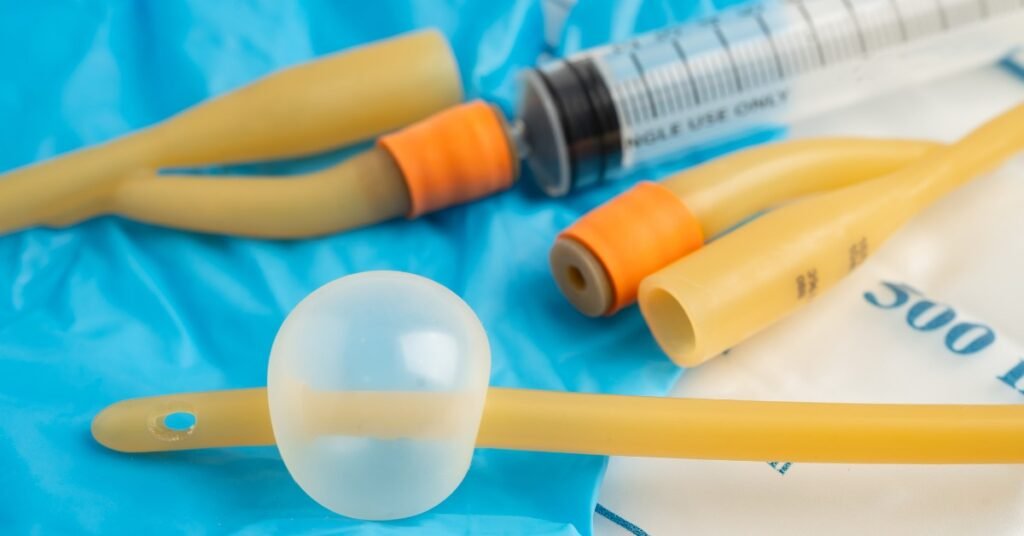
Self-Catheterization: Benefits, Care & Psychological Aspects
Understanding the impact of Spina Bifida on bladder function is fundamental for developing effective management strategies tailored to individual needs.
Guide to Clean & Safe Self-Catheterization for Men
This is SASHA’s comprehensive resource. We’ve organised the detailed information below according to your needs.
Self-Catheterization for Independent Men Who Can Stand
For: Independent men who can stand without assistance.
You’ll learn:
- Necessary supplies needed for self-catheterization.
- Step-by-step Guide: How to catheterise with diagrams.
- Why you should not reuse catheters.
- Why a feeding tube should not be treated as equivalent to a urinary catheter.
- What to consider if the cost of single-use catheters creates financial difficulties.
- How to make a catheterization-friendly washroom.
- Links to supplies you can buy and use for catheterization.
- FAQs.
Read the full step-by-step guide

Self-Catheterization in a Toilet: Males Who Can Stand
Mastering intermittent self-catheterization: A step-by-step guide for independent males who can stand without support.
Self-Catheterization for Independent Men Wheelchair Users
For: Independent men who use a wheelchair, or who need assistance to stand.
You’ll learn:
- Necessary supplies needed for self-catheterization.
- Step-by-step Guide: How to catheterise with diagrams.
- Why you should not reuse catheters.
- Why a feeding tube should not be treated as equivalent to a urinary catheter.
- What to consider if the cost of single-use catheters creates financial difficulties.
- How to make a catheterization-friendly washroom.
- Links to supplies you can buy and use for catheterization.
- FAQs.
Read the full step-by-step guide

Self-Catheterization Safely: Male Wheelchair Users
Mastering intermittent self-catheterization: A step-by-step guide for males who use wheelchairs or mobility support.
Self-Catheterization for Dependent Men
For: Dependent men who rely on parents or primary caregivers for assistance.
You’ll learn:
- Necessary supplies needed for self-catheterization.
- Step-by-step Guide: How to catheterise with diagrams.
- Why you should not reuse catheters.
- Why a feeding tube should not be treated as equivalent to a urinary catheter.
- What to consider if the cost of single-use catheters creates financial difficulties.
- How to make a catheterization-friendly washroom.
- Links to supplies you can buy and use for catheterization.
- FAQs.
Read the full step-by-step guide

Self-Catheterization Safely: Dependent Males
Mastering intermittent self-catheterization: A step-by-step guide for parents to catheterise dependent males on a bed.
A Note from SASHA
SASHA Foundation provides resources for people with Spina Bifida, their families and caregivers, including educational materials and information about support. These materials are designed to empower both individuals with bladder issues and their caregivers with knowledge about effective self-catheterization techniques, potential risks, and coping strategies.
A qualified healthcare professional, such as a urologist or rehabilitation specialist, can provide personalised advice and training based on your individuals needs. They can provide personalized training sessions on intermittent self-catheterization, ensuring that individuals feel equipped and confident in their approach.
In conclusion, accessing various resources not only offers valuable information but also fosters a sense of community, helping navigate the journey of bladder management and intermittent self-catheterization effectively.
Looking for information specific to women?
See our Guide to Clean, Safe & Effective Self-Catheterization for Women
Medical information
Our articles provide general educational information and guidance about Spina Bifida and Spina Bifida related issues, like bowel management, bladder management, self-catheterization, digital evacuation, orthopaedic issues, chronic neuropathic pain and surgeries, etc. Our articles are not a substitute for individual medical advice, diagnosis or treatment. Every person with Spina Bifida is different. Please discuss your individual circumstances with your qualified healthcare professional.
About the Author

Raul/DJ Vivek
Meet Vivek Bharadwaj, a remarkable individual who has defied the odds and soared to new heights despite living with Spina Bifida. As the founder of the Sasha Foundation, Vivek tirelessly advocates for others facing similar challenges. His unwavering commitment to support, awareness, and empowerment had made a lasting impact on the Spina Bifida community.
FAQ
What is self-catheterization?
Self-catheterization is a process in which a person inserts a tube called a catheter into their bladder, allowing them to empty their bladder at regular intervals. It mimics regular urination.
Who is affected and needs self-catheterization?
Anyone who can’t empty their bladder or has bladder issues because of Spina Bifida, stroke, spinal cord injury or nerve issues.
Is it difficult to self-catheterize?
Self-catheterization feels intimidating and awkward at first, but it gets much easier with practice and proper training from a healthcare professional
Is self-catheterization safe?
Yes, intermittent self-catheterization is generally a safe, simple, and effective way to empty your bladder when it cannot do so on its own.
How many times should I self-catheterize?
On average, most people need to self-catheterize 4 to 6 times per day, or roughly every 4 to 6 hours.
What is the best position to self-catheterize?
The best position to self-catheterize is the one that is most comfortable, accessible, and practical for your body, ability, and surroundings. There is no single universal “best” position.
Can you live a normal life with self-catheterization?
Yes, you can live a full, active, and normal life with intermittent self-catheterization. While it requires an adjustment period and a new daily routine, modern compact supplies and proper techniques allow most people to work, travel, exercise, and maintain intimate relationships with minimal disruption.
What is a self-catheterization comprehensive guide?
A self-catheterization comprehensive guide is a step-by-step guide with no steps missed for persons with bladder issues or urinary complications who use catheterization to empty their bladder.
When to call your healthcare provider?
Call your healthcare provider if you have:
A fever of 101 °F (38.3 °C) or higher.
Chills.
Pelvic pain.
Pain on the sides of your body by your ribs.
Trouble inserting or removing the catheter.
Nausea (feeling like you’re going to throw up).
Vomiting (throwing up).
Any questions or concerns.