


The three most important steps for Clean Intermittent Self-Catheterization are:
Private Part Hygiene
One of the most critical aspects of intermittent self-catheterization is ensuring proper private part hygiene to prevent infections and maintain overall health. The genital area can harbour bacteria and other microorganisms that may pose a risk if introduced into the urethra during the catheterization process. Cleaning the area thoroughly during shower is essential to reduce the likelihood of urinary tract infections (UTIs).
If the person has had an episode of diarrhoea and soiled his or her diaper/underwear, the genital area and buttocks should be cleaned thoroughly from front to back with mild soap and water. This method helps prevent bacteria from the anal region from coming into contact with the urethra. The most common bacteria found in UTIs is E. coli, and E. coli is found in stool.
For All Girls and Women
For girls and women, this means carefully spreading the labia and wiping the area from front to back using water and mild soap or an intimate wash. This method helps prevent bacteria from the anal region from coming into contact with the urethra. In females, the anus and vulva are very close to each other and could lead to frequent UTIs caused by E. coli bacteria.

Note for Teenage Girls and Adult Women
Removing hair in the pubic and buttocks region will help you maintain better hygiene. You can use methods like bikini waxing, shaving or hair removing creams that are not harsh on the skin.
Use tampons for periods. Tampons are advised especially for women who catheterise during the menstrual period, as compared to sanitary napkins or pads, because they keep the urethral opening area drier, thereby limiting bacterial overgrowth.
Never insert a catheter right after sexual activity; first, urinate (even if you have to put some pressure to urinate). During sex, bacteria in the genital and anal region are more likely to enter your urethra and urinary tract. Urinating after sexual intercourse helps to flush out the urinary tract and any bacteria that might be there. Drinking 2 glasses of water after sexual activity may help promote urination and the flushing of bacteria. Clean your vulva and anal areas before and after oral sex or sexual intercourse.
For All Boys and Men
For men, it’s important to pay special attention to cleaning the tip of the penis, particularly around the urethral opening. If the foreskin is present, it should be retracted for thorough cleaning to remove any smegma or buildup and returned to its original position afterward. You can clean it using water and mild soap or an intimate wash. Wearing clean, loose-fitting, and breathable underwear made of natural fabrics like cotton helps maintain airflow and reduces excessive sweating, further reducing bacterial growth.

Note for Teenage Boys and Adult Men
Removing hair in the pubic and buttocks region will help you maintain better hygiene. You can use methods like shaving or hair removing creams (for sensitive skin) that are not harsh on the skin. The skin on the testicles is very thin and sensitive, so always test the hair-removing cream first by applying it on your forearm before applying it there.
Never insert a catheter right after sexual activity; first, urinate (even if you have to put some pressure to urinate). During oral sex and sexual intercourse, bacteria could enter your urethra and urinary tract. Urinating after sexual intercourse helps to flush out the urinary tract and any bacteria that might be there. Drinking 2 glasses of water after sexual activity may help promote urination and the flushing of bacteria. Clean your penis before and after oral sex or sexual intercourse. Always use a condom when engaging in sexual intercourse as it can help prevent STIs
A Frequently Asked Question
We often get this question: “Do I need to clean my genitals with Betadine or an antiseptic towelette every time before I catheterise?” The answer to this is, “No. If you are bathing daily and maintaining good levels of hygiene in your pubic area, you don’t need to clean your genitals before every catheter.” This practice is not feasible, catheterization is something that should be done quickly and anywhere. Using Betadine adds an extra step in the process, an extra supply to carry, and sometimes stains underwear or clothes.
Hand Hygiene
The second consideration is hand hygiene, as it plays a crucial role in preventing urinary tract infections, which can be a concern for individuals using catheters. It is of utmost importance to wash your hands thoroughly with soap and water or use an alcohol-based hand sanitizer if soap and water are not available. This practice has to be followed for both before and after catheterization.
Effective Hand Hygiene Steps Are
- Wet hands with tap running water. Do not wash hands with a bucket or tub of stored water.
- Apply soap and lather. Rub your fingers and hands together for at least 20 seconds. Remember to clean in between your fingers and your fingertips.
- Rinse but do not dry with a towel.
- Only touch the three things that need to be touched. Touch the body parts needed to self-catheterise that is penis or labia. Other things to be touched are the catheter and the lubricating jelly (Lidocaine 2%).
- If you touch the door, toilet, wheelchair or clothes, use sanitiser or re-wash your hands before catheterising.

A Frequently Asked Question
We often get this question: “Do I need to use hand sanitiser before intermittent self-catheterization?”. The answer to this is, “You don’t need to sanitize your hands if you can wash them with soap and tap running water and only touch your catheterization gear and organ. But if you lack soap and water or have touched other objects after washing, you must sanitize your hands before catheterization.”
In instances such as using public washrooms or self-catheterizing while road traveling, the absence of running water in the vestibule makes hand hygiene a challenge. Also, inevitably, after hand washing, you end up touching your clothes. In such situations, it becomes essential to thoroughly sanitize your hands before handling your genital area, catheter, or lubricant to ensure a safe and clean catheterization process.
Also, while travelling by train and plane, you encounter self-closing taps. The water comes out till you keep pressing and thus makes hand hygiene a challenge. In such situations, you should use hand sanitiser before catheterising. Any hand sanitiser that has a high alcohol content is good. However, if you are looking for something long-lasting, effective and compact while travelling, try this one out.
Choosing the Right Intermittent Catheter
What is an Intermittent Catheter?
An intermittent catheter is a thin, flexible tube inserted into the urethra (the channel that carries urine out of your body) to drain urine from the bladder when someone can’t to do so on their own or needs help emptying the bladder regularly.
Catheter Type
When it comes to mastering Clean Intermittent Self-Catheterization, selecting the right catheter is of paramount importance. Individuals with Spina Bifida may have unique requirements based on their specific situation; choosing a catheter is a critical element in ensuring comfort, ease of use, and effective management. In India, there aren’t many types of intermittent catheters available. Here, we only have one type of intermittent catheter, and it is made from medical grade PVC.
These PVC intermittent catheters are single-use, disposable catheters that help decrease the risk of infection because they are individually wrapped in sterile packaging before use. These catheters are non-hydrophilic (uncoated), and a lubricant is required while catheterising. Two famous companies making these affordable disposable intermittent catheters for both males and females are Polymed and Romsons.
Catheter Size
Size also plays a critical role in the intermittent catheter selection process. Catheter size relates to the thickness or diameter of the catheter and is measured in French Gauge (FG). French sizes only apply to intermittent and indwelling (Foley) catheters. French size does not apply to the length of the catheter. The appropriate size often depends on the individual’s gender, anatomy and comfort. For some, a smaller catheter may offer less discomfort and ease of insertion, while others may find a larger size more effective.
The average catheter size for adult men, women and children are as follows:
- The average catheter size used by adult men ranges from 14FR to 16FR. Most men use 14FR catheters.
- The average catheter size used by adult women ranges from 10FR to 12FR. Most women use 12FR catheters.
- The average catheter size used by children (paediatric) ranges between 6FR and 10FR.
Most catheter manufacturers follow a universal system of color-coding to label the catheter size. Regardless of brand, most intermittent catheters have color-coded funnels that indicate their French size:
The image below will help you understand color coding better.

Catheter Length
While intermittent catheters have French sizes according to diameter, it is also important to consider the length. You should choose a catheter length appropriate for your body type and medical needs.
Intermittent catheters are manufactured in three lengths:
- Standard Indian female length catheters average 17-20 cm long. Anatomically, women have a much shorter urethra (average is 3 cm) and can use a shorter catheter designed for women. Some women or those with reduced mobility or a stoma may prefer to use a catheter designed for males.
- Standard male length catheters average 37-40 cm long. Men have a longer urethra (average 17.55 cm) and require a longer catheter because of this anatomical difference.
- Paediatric length catheters average 27-33 cm long. Shorter length intermittent catheters may be easier for children to grasp and use, allowing for better flow.
Ultimately, the choice of catheter should align with the individual’s gender, age, and medical advice to ensure successful self-catheterization.
Note for Everyone Who Reuses Catheters
We often get this question: “Should I wash and reuse a urinary catheter?”. The answer to this is, “No, you should not. It will lead to a high number of UTIs. However, there are situations where patients cannot afford a new catheter each time it needs to be changed.
While cost concerns are understandable, our observations show that reusing catheters can be equally, if not more, expensive than using disposable ones. Reuse often results in increased UTIs, thus increasing expenses from frequent doctor visits, additional urine cultures, extended antibiotic treatments, and the added burden of unnecessary suffering.
Never reuse a single-use catheter, as doing so increases your risk of infection and injury. However, if you’re reusing a catheter, properly clean and store your catheters between uses.
Note for Everyone Who Uses Feeding Tube (FT) as Catheters
Also, we commonly see that across genders, from 11-year-old kids to 35-year-old adults, are using feeding tube for intermittent self-catheterization and their health care providers are not correcting them.
In some situations, particularly in neonates and young children, a feeding tube might be used as a temporary urinary catheter, for example, when a child is too young or just starting intermittent self-catheterization. In some situations, an adult might be taught to use a feeding tube if he or she is just starting or has issues with getting used to catheterzation. For both the children and adults, this is a temporary option, and gradually, they should be taught and encouraged to move on to using proper dedicated intermittent catheters.
Besides taking a long time to evacuate urine, using a feeding tube for a long time could lead to knotting. Knotting is when the tube spontaneously knots inside the bladder, which will require surgical removal.
Please Note
The information provided on our website is not intended as medical advice for any individual. Since specific cases may differ from the general information presented, SASHA recommends consulting a qualified medical or other professional for personalized advice.
About the Author

Raul/DJ Vivek
Meet Vivek Bharadwaj, a remarkable individual who has defied the odds and soared to new heights despite living with Spina Bifida. As the founder of the Sasha Foundation, Vivek tirelessly advocates for others facing similar challenges. His unwavering commitment to support, awareness, and empowerment had made a lasting impact on the Spina Bifida community.
FAQ
What is the difference between an indwelling catheter and an intermittent catheter?
Indwelling Catheter: Inserted either through the urethra or the abdominal wall into the bladder and left in place for a period of time.
Intermittent Catheter: Inserted through the urethra into the bladder to empty it, then removed, practised several times a day.
What is a Foley catheter?
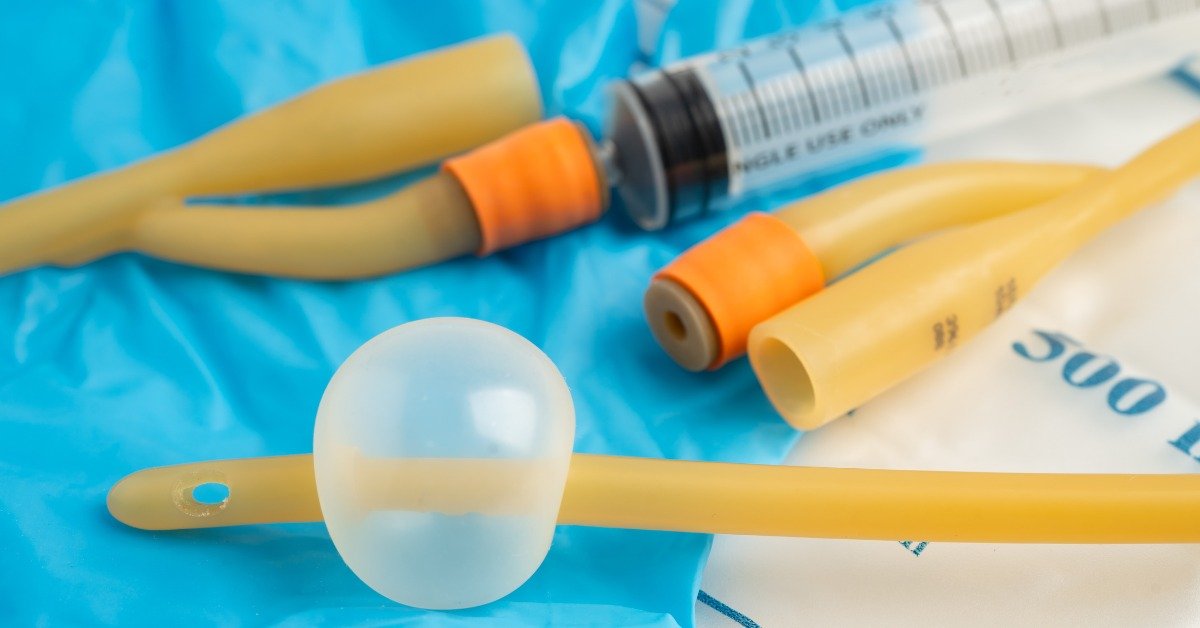
A foley catheter remains in place continuously and is changed regularly, as required, mostly by healthcare providers. A foley catheter is connected to a urine bag where the urine collects.
What is the difference between the French (FR) size of a catheter and its length?
Intermittent catheters and Foley catheters have French sizes according to the diameter, it has nothing to do with the length.


Leave a Reply
You must be logged in to post a comment.