Educational Hub
Latest Blog Articles
More results…
-
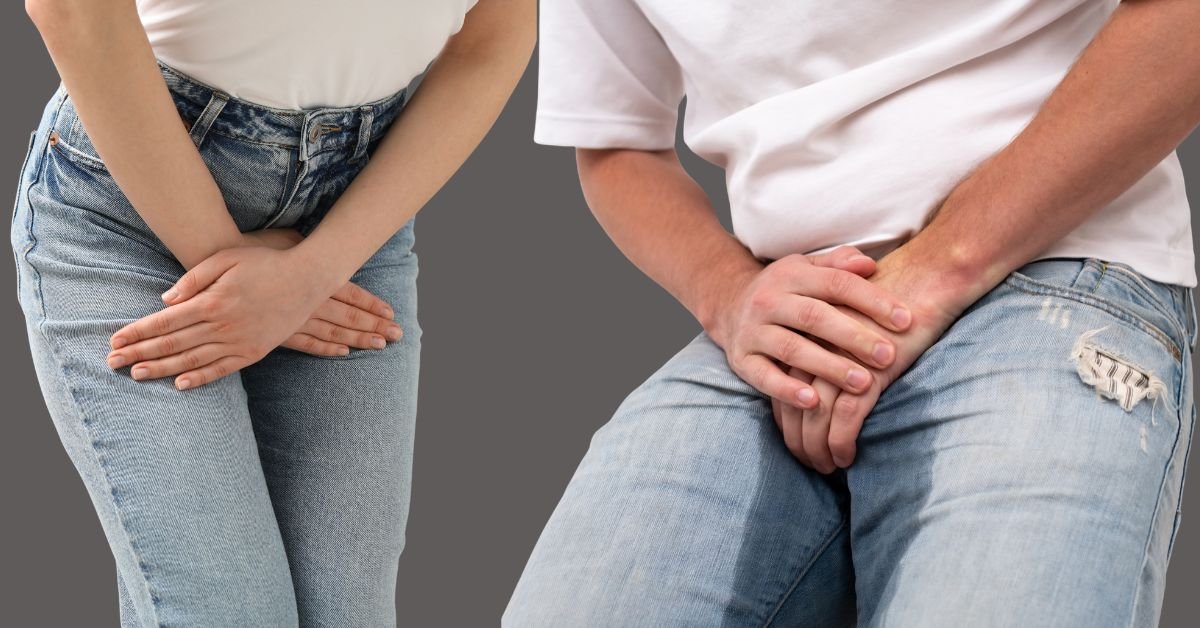
Urinary Incontinence: Types, Causes and Symptoms
READ MORE: Urinary Incontinence: Types, Causes and SymptomsWelcome to the third article in our three-part “3 Common Urinary Problems and How to Treat Them” series. We encourage you to read the other two articles, “Urinary Retention: Causes, Symptoms and Treatment” and “Urinary Tract Infection (UTI): Causes, Symptoms and Treatment“, which…
-

How to Manage Urinary Incontinence: Care and Treatment
READ MORE: How to Manage Urinary Incontinence: Care and TreatmentManagement and Treatment for Urinary Incontinence Welcome to the second article in our four-part urinary incontinence series. Before you continue, we encourage you to read our first article, “Urinary Incontinence: Types, Causes and Symptoms“, which provide essential background information to help you get…
-

Urinary Incontinence: Kegels & Pelvic Floor Training at Home
READ MORE: Urinary Incontinence: Kegels & Pelvic Floor Training at HomeUrinary Incontinence: Step-by-Step Guide to do Kegels & Train Your Pelvic Floor Muscles at Home Welcome to the third article in our four-part urinary incontinence series. Before you continue, we encourage you to read our first and second articles, “Urinary Incontinence: Types, Causes…
-
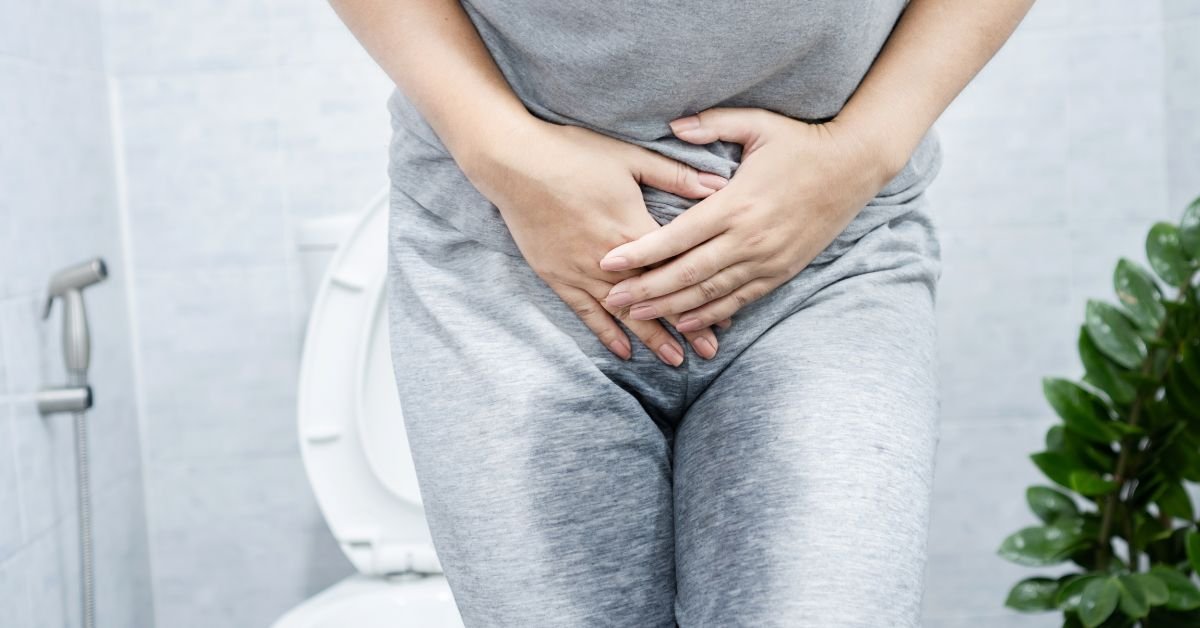
How You Can Treat Your Urinary Incontinence: A 10-Step Plan
READ MORE: How You Can Treat Your Urinary Incontinence: A 10-Step Plan10 Steps to Identify & Fix Urinary Incontinence Welcome to the fourth article in our four-part urinary incontinence series. Before you continue, we encourage you to read our first article, “Urinary Incontinence: Types, Causes and Symptoms” and “How to Manage Urinary Incontinence: Care…
-

Living with Spina Bifida: Dr Rahul Salve and Rushil’s Story
READ MORE: Living with Spina Bifida: Dr Rahul Salve and Rushil’s StoryMeet Dr Rahul Salve, doctor, parent, husband, and father, whose son, Rushil, has Spina Bifida. Dr Rahul Salve has the unique privilege of being a doctor. Drawing on his firsthand experience of bringing up a son with Spina Bifida, Dr Rahul Salve wants to…
-
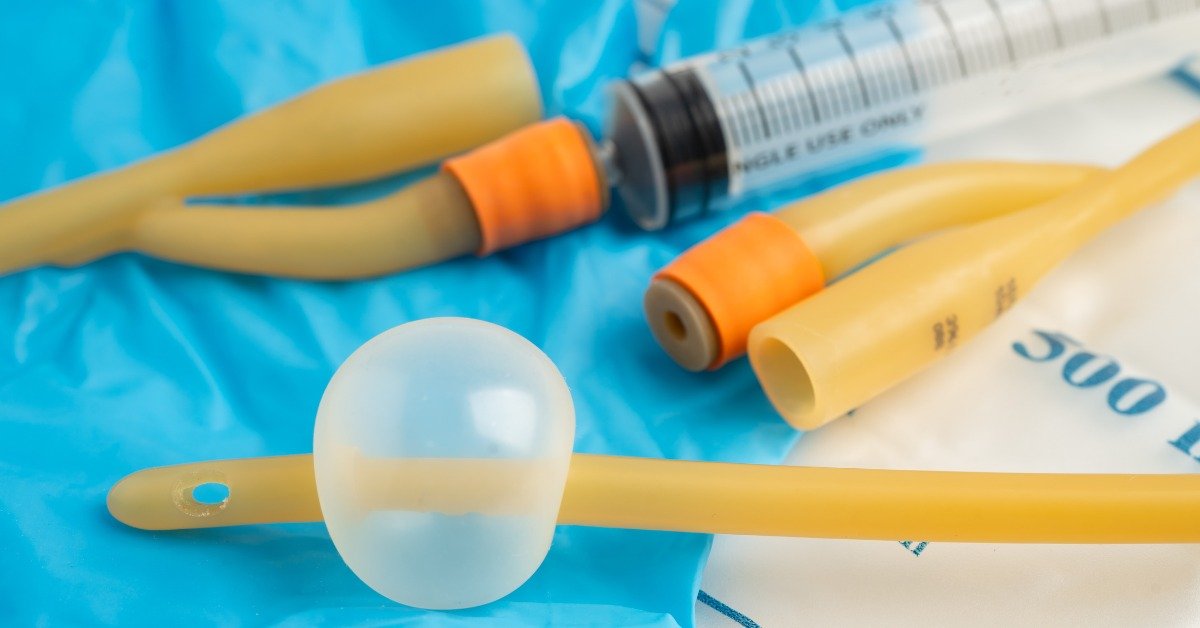
Self-Catheterization: Benefits, Care & Psychological Aspects
READ MORE: Self-Catheterization: Benefits, Care & Psychological AspectsUnderstanding the impact of Spina Bifida on bladder function is fundamental for developing effective management strategies tailored to individual needs. Self-catheterization: Benefits, Care & Psychological Aspects Spina Bifida, a congenital condition characterized by the incomplete closure of the spinal column, can profoundly influence…